Choosing the right curtain style can instantly elevate a room and tie every design element together. When curtains come in the right color, pattern, and texture, they act as a bridge between your furniture and decor, your rug, and the overall aesthetic of the home. The goal is to use drapery not as an afterthought, but as a deliberate design feature that complements your furniture, enhances the decor, and creates a harmonious, put-together feel. Companies like Drapery Manufacturing Inc. (DMI) specialize in custom window treatments that help you unify a room with precision and style.
1. Understanding the Style Foundation of Your Space
Every space has a style fingerprint. Before you choose curtains, step back and observe the furniture, the rug, the walls, and any patterned furniture that already sets the tone. Whether your home feels cozy, minimalist, bold, or airy, your curtain choice should reflect that mood.
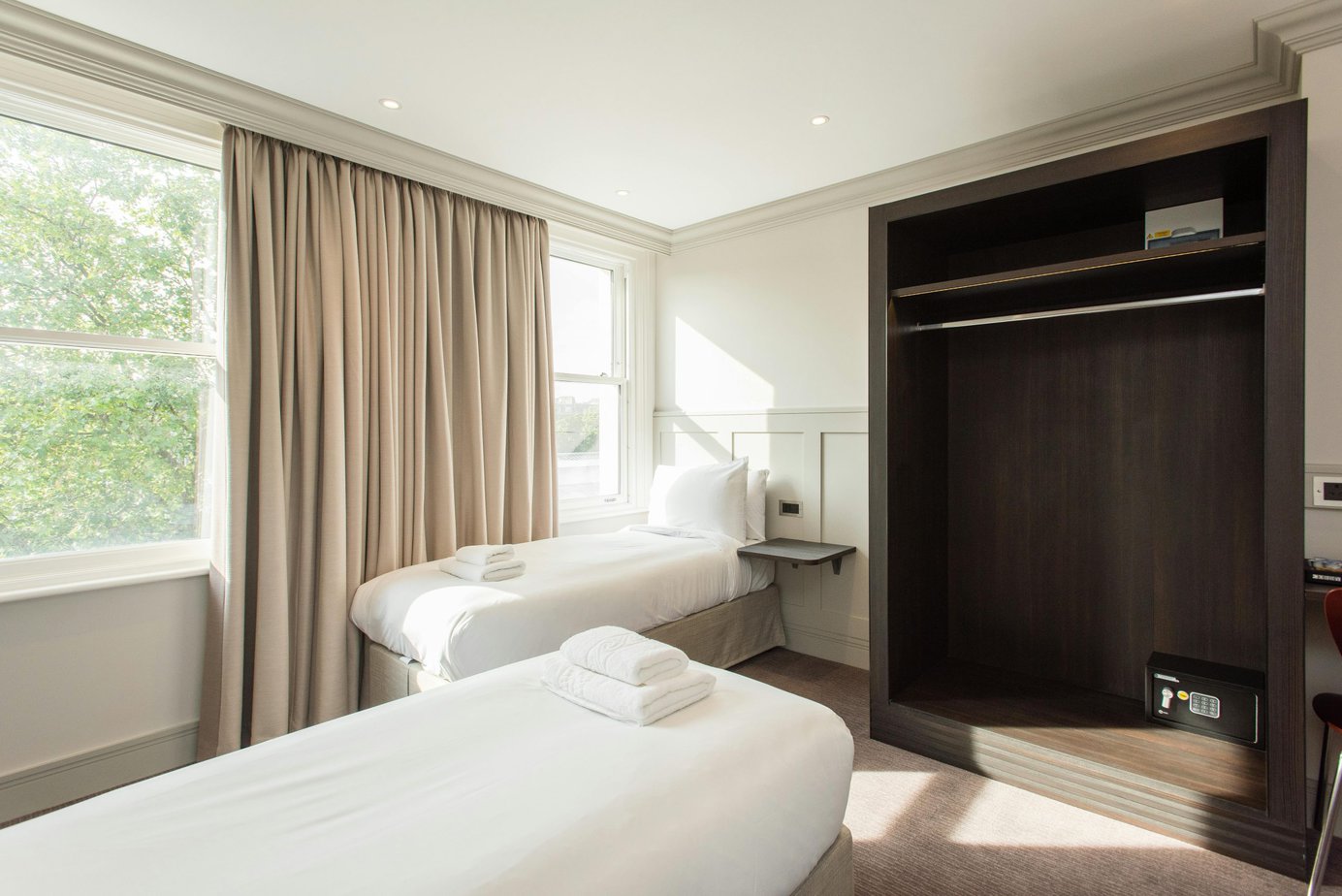
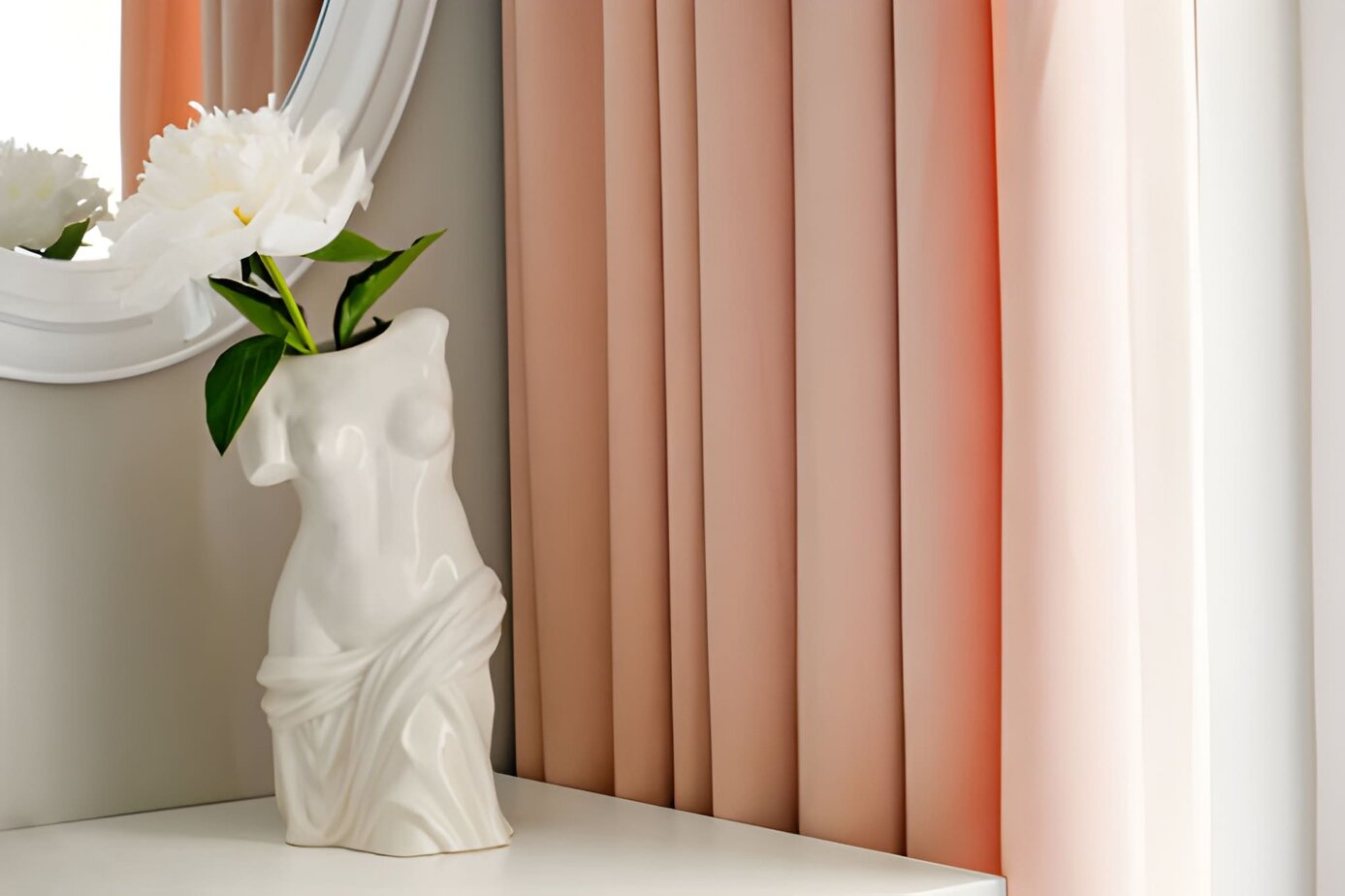
In a traditional bedroom, velvet or heavyweight drapery offers both richness and privacy, while a modern dining area may benefit from linen curtain panels that allow natural light to soften the room. Neutral palettes with beige, white walls, or pastel tones pair well with sheer fabrics or solid curtains, reinforcing a calm and cohesive atmosphere.
DMI often helps designers refine these decisions, ensuring every curtain is paired with the right functional and decorative goals.

2. Choosing Fabric That Complements the Room’s Personality
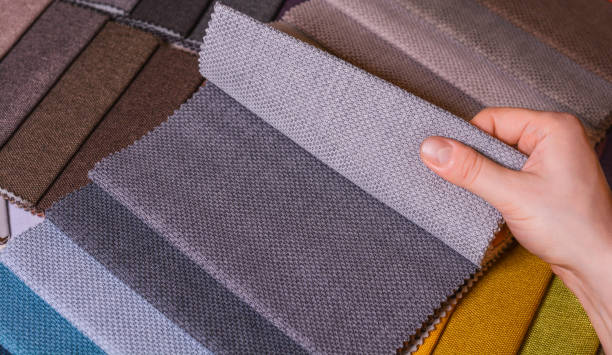
Fabric determines texture, weight, and overall aesthetic, which makes it essential for achieving a balanced look. A soft linen or breathable cotton panel introduces subtle texture and dimension, especially in different rooms where the decor shifts. Meanwhile, blackout curtains work particularly well in a bedroom where privacy and light control matter. The density of blackout materials creates a room darkening effect, ideal for those who value a calm, sleep-friendly environment.
Heavier textiles, such as velvet or lined drapery, allow you to make a bold statement, especially when coordinating with a patterned rug or colorful accent pieces like throw pillows. A lighter fabric, on the other hand, can keep the space feeling fresh and open while still creating visual balance across furniture, drapes, and decor.
When curtain hardware and drapery hardware—like the right rod, ring, or tie detail—are selected with intention, they reinforce your home’s aesthetic instead of competing with it.
3. Color Harmony: Matching, Contrasting, and Layering
Color is one of the strongest design elements. Begin by studying your color palette and identifying hues that will either blend or stand out. The color wheel is a simple tool that helps determine which tones create contrast or a complimentary flow.
If you want a subtle, cohesive look, choose curtains in colors like soft beige, muted gray, teal, or navy that complement your rug, furniture, and wall shade. This approach works well when your goal is to unify the space and avoid visual clutter.
To make a bold statement, select curtain colors that contrast with your walls or area rug. Deep navy against white walls, or warm golds against dark wood, instantly becomes eye-catching.
You can also layer colors by adding banded edges or color-blocked sections. This adds character without overpowering the rest of the decor. A subtle abstract pattern or geometrics can stand out beautifully when paired with solid furniture pieces.

4. Patterns, Textures, and Visual Balance
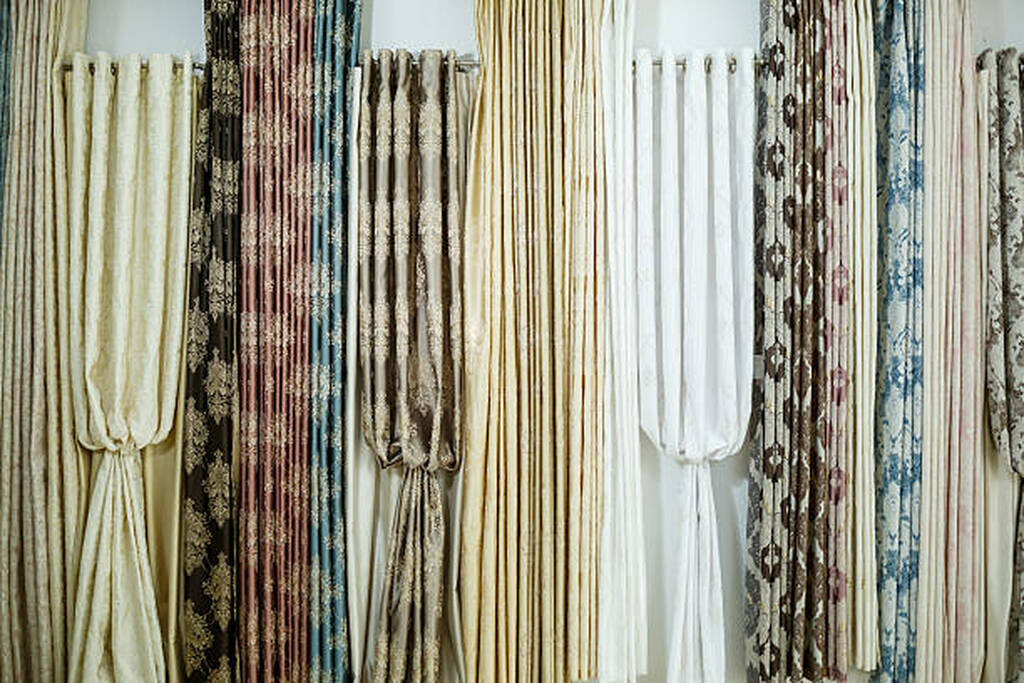
Using patterns in a thoughtful way can transform your home. If your rug features florals or geometrics, consider curtains with a gentler pattern or a solid curtain look to maintain balance. But if your décor is understated, patterned drapes can become the room’s standout feature.
Mixing texture—like slub linen, embroidered threads, or layered materials—introduces depth and intrigue, making the space feel more curated. A soft shade of linen with a delicate pattern can soften the room, while bold textures lend structure.
The idea is to maintain a harmonious feel so every room around the house looks intentional and well-blended.
5. Hardware, Length, and Fullness: The Finishing Details
No curtain setup is complete without the right finishing touches. Choosing the proper rod, ring, and hardware directly impacts how polished the final look becomes. Matte black hardware works beautifully in modern homes, while brushed nickel or brass adds timeless charm.
Length also shapes the style. For a crisp look, let the curtains kiss the floor; for a dramatic flair, let them pool slightly. Fuller curtain panels—about two to three times the width of the window—create plush folds that complement the flow of the furniture and decor.
These smaller choices elevate the room just as much as color or pattern, proving that curtain details matter.
Transform Your Home With Custom Drapery
When thoughtfully selected, the right curtain, rug, furniture, and decor work together effortlessly to redefine your home’s aesthetic. If you’re ready to bring cohesion, balance, and artistry into your next project, custom drapery from Drapery Manufacturing Inc. offers the precision and craftsmanship you need.
With decades of expertise in custom window treatments, field measuring, and installation, DMI can help you transform your home with curtains that feel tailor-made for every room.