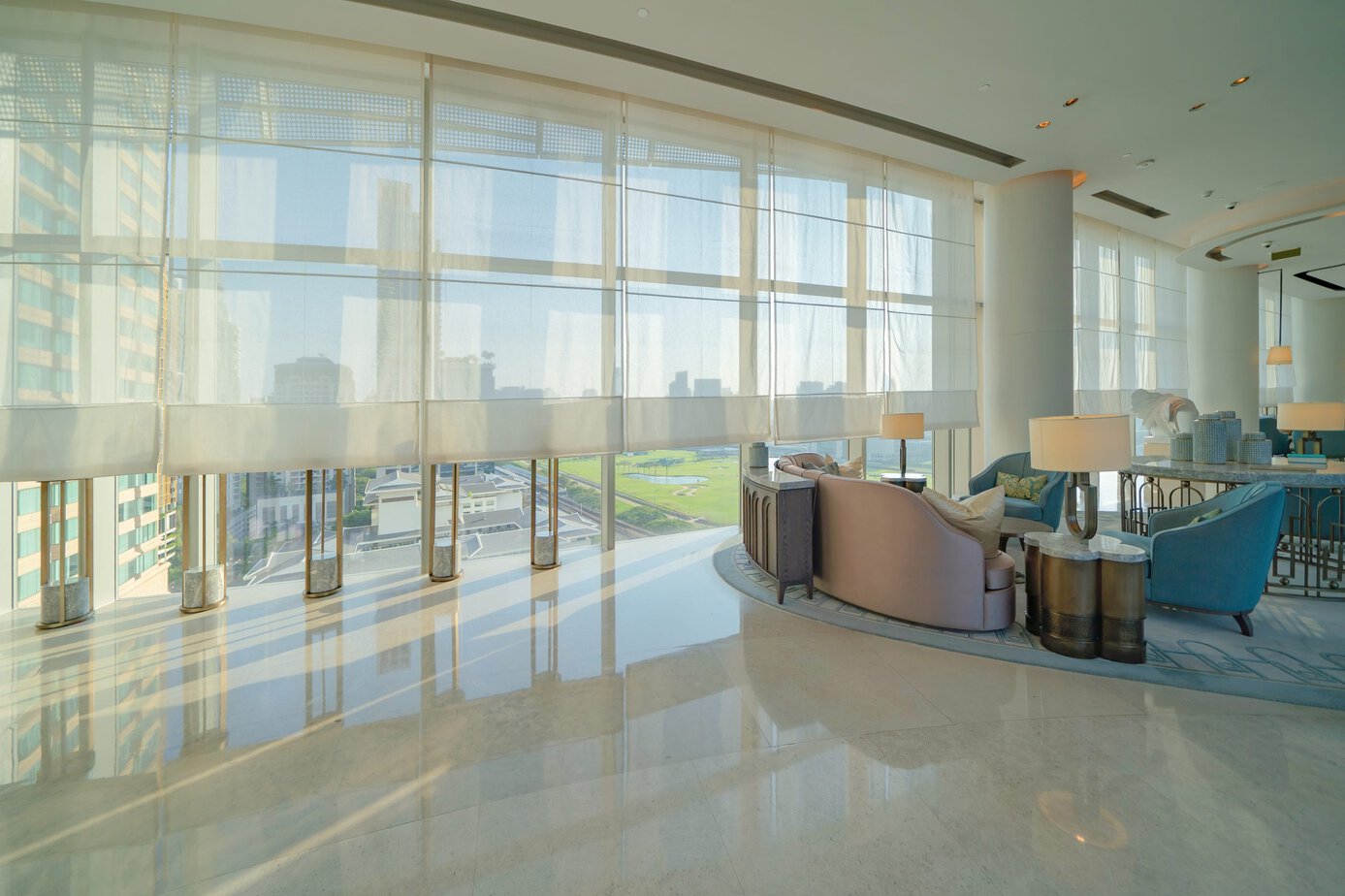
Walk into any hotel room, and your eyes instinctively go to the windows. The drapery frames the space. It softens hard lines. It sets the tone. But behind that polished look is a constant battle against sunlight, cleaning cycles, guest handling, and plain old wear and tear.
Hotel window treatments don’t get a break. They’re opened and closed daily, brushed against by luggage, exposed to natural light for hours, and cleaned far more often than residential curtain fabric. That’s why choosing the best fabric for hotel drapery isn’t just about style—it’s about durability.
If you want drapes that stand the test of time, you need to understand how fiber, weave, weight, and finishing all work together. Let’s take a closer look at the best materials for long-lasting performance in hospitality spaces.
1. What Durability Really Means in Hotel Drapery
In hospitality, durable isn’t a marketing buzzword. It’s survival.
A durable drapery fabric needs to maintain its drape, resist fade, and hold up under constant use in high-traffic areas. That includes guest rooms, corridors, lobbies, and even living rooms in extended-stay suites.
True durability comes down to a few core factors:
- Fiber strength
- Weave density
- Resistance to wrinkle formation
- Protection against stain and sun damage
Some fabrics look beautiful on day one but struggle after prolonged sun exposure. Others lose their structure around curtain rods or start to sag. The fabric you choose has to preserve both its look and feel while handling repeated laundering and daily operation.
In short, durable drapery fabrics should look just as composed in year three as they did at installation.
2. Polyester and Performance Fabrics: Built for High-Traffic Rooms
If there’s a quiet workhorse in hospitality design, it’s polyester.
Polyester curtains are widely used because they’re durable, easy to maintain, and resistant to wrinkle issues. Unlike certain natural fibers, polyester holds its color well and is less likely to fade under natural light. That’s a major advantage in rooms with large windows.
Today’s performance fabrics go even further. Many are designed to resist stain penetration and are engineered to handle frequent cleaning cycles for hotel operators, which translates to lower maintenance costs and fewer replacements.
Blends like polyester and cotton strike a nice balance. You get softness and improved drape, but with added durability from the synthetic fiber. In high-traffic guestrooms, this combination is often ideal for high-traffic areas where constant guest interaction is expected.
While expensive fabrics like silk curtains deliver undeniable elegance, they may not be the best solution for hospitality environments that demand resilience. Polyester curtains, on the other hand, offer versatility, a wide range of colors, and consistent performance over time.
Sometimes the right fabric isn’t the most glamorous one—it’s the one that quietly does its job for years.
3. Linen and Linen Blends: Natural Texture Without Sacrificing Strength
There’s something about linen that designers love. The texture. The relaxed sophistication. The way it filters natural light without feeling heavy.
Linen curtains are especially popular in boutique hotels and coastal properties. They create a welcoming living space and add understated elegance to suites or even a formal dining room.
But pure linen does have a tendency to wrinkle and can be prone to wrinkling more than synthetic alternatives. That’s why many hospitality projects turn to linen and cotton blends. Combining natural fibers with a bit of structural support improves durability while preserving that organic look.
Medium-weight fabrics made from linen or silk blends provide excellent drape without feeling stiff. A tighter weave enhances longevity and helps the curtain fabric maintain its shape over time.
For designers comparing fabric options, linen blends often deliver the perfect fabric balance: natural texture with commercial-grade performance.
4. Velvet and Heavier Fabrics: When Luxury Needs to Last
Velvet has presence. It adds depth, warmth, and a subtle sheen that instantly elevates a room.
But velvet isn’t just about drama. Commercial-grade velvet can be remarkably durable when constructed properly. Its dense weave and heavier weight make it suitable for suites, feature walls, and properties that want to make a bold impression.
Heavy fabrics like velvet also pair well with blackout lining systems. A well-constructed blackout curtain enhances guest sleep quality and protects the fabric from sun damage.
Synthetic velvet options are often designed to resist crushing and stain issues better than some natural fabrics. That makes them a smart choice for high-traffic hospitality spaces where luxury and durability have to coexist.
Velvet fabric offers more than elegance—it offers performance when specified correctly.
5. Why Weave, Weight, and Construction Matter More Than You Think
The weave of a drapery fabric affects everything: how it hangs, how it moves, and how it holds up over time.
A tight weave increases strength and reduces distortion around pleats and curtain rods. Loose weaves may look airy, but they can weaken faster under daily use.
Weight matters too. Heavy fabrics create structure and a dramatic drape, while medium-weight fabrics offer flexibility. But hardware must support the load. Improperly sized curtain rods can strain the material and shorten its lifespan.
When choosing the right fabric for drapery, it’s smart to look for fabrics that are easy to maintain and designed to resist shrinkage or fiber breakdown during cleaning.
Some natural fabrics may require more care, while synthetic fabric options often handle commercial laundering with fewer complications.
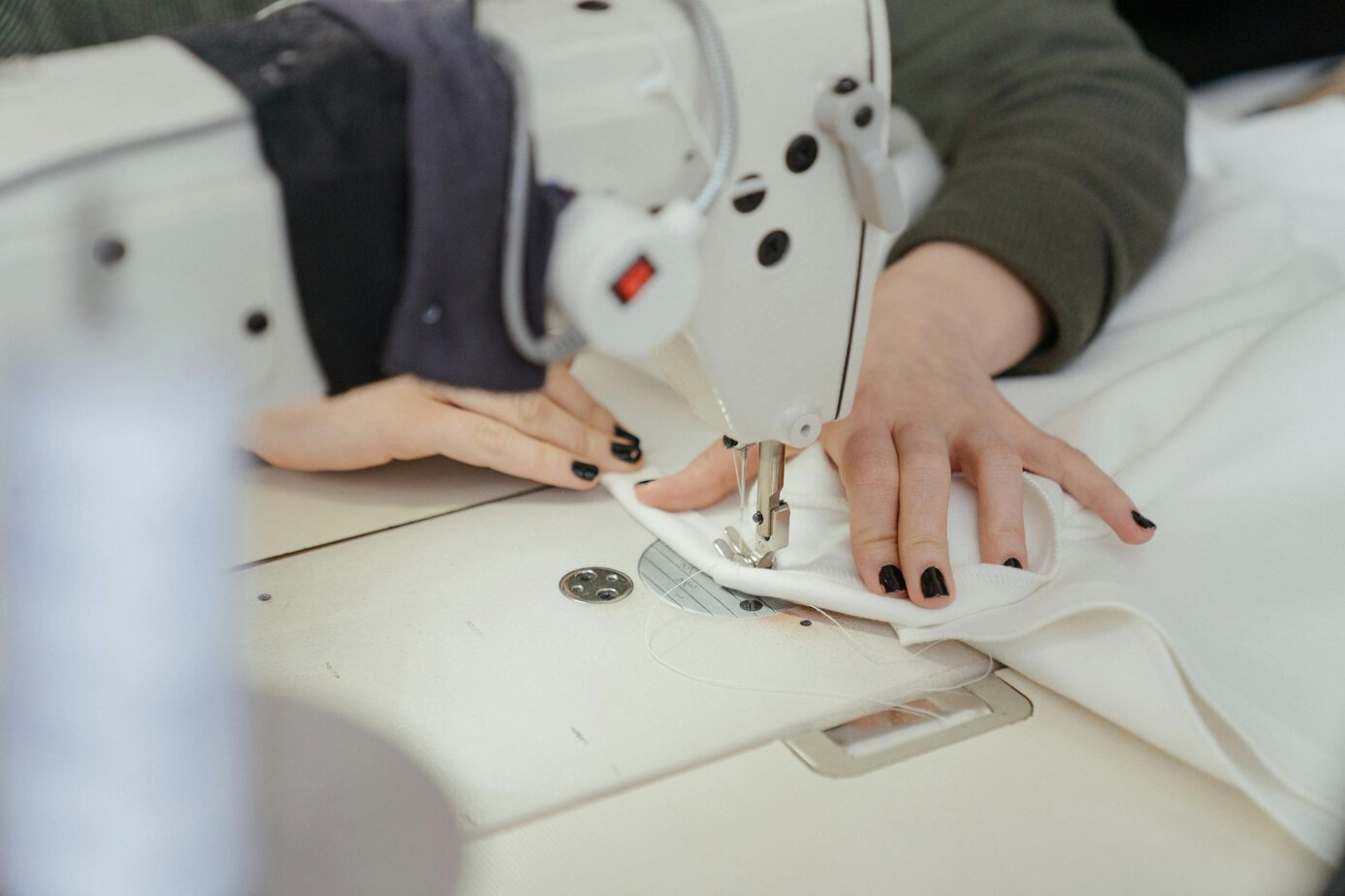
Construction details—lining, seam reinforcement, header design—play a major role in whether the finished drapery truly stands the test of time.
6. Fade, Stain, and Blackout: The Practical Side of Guest Comfort
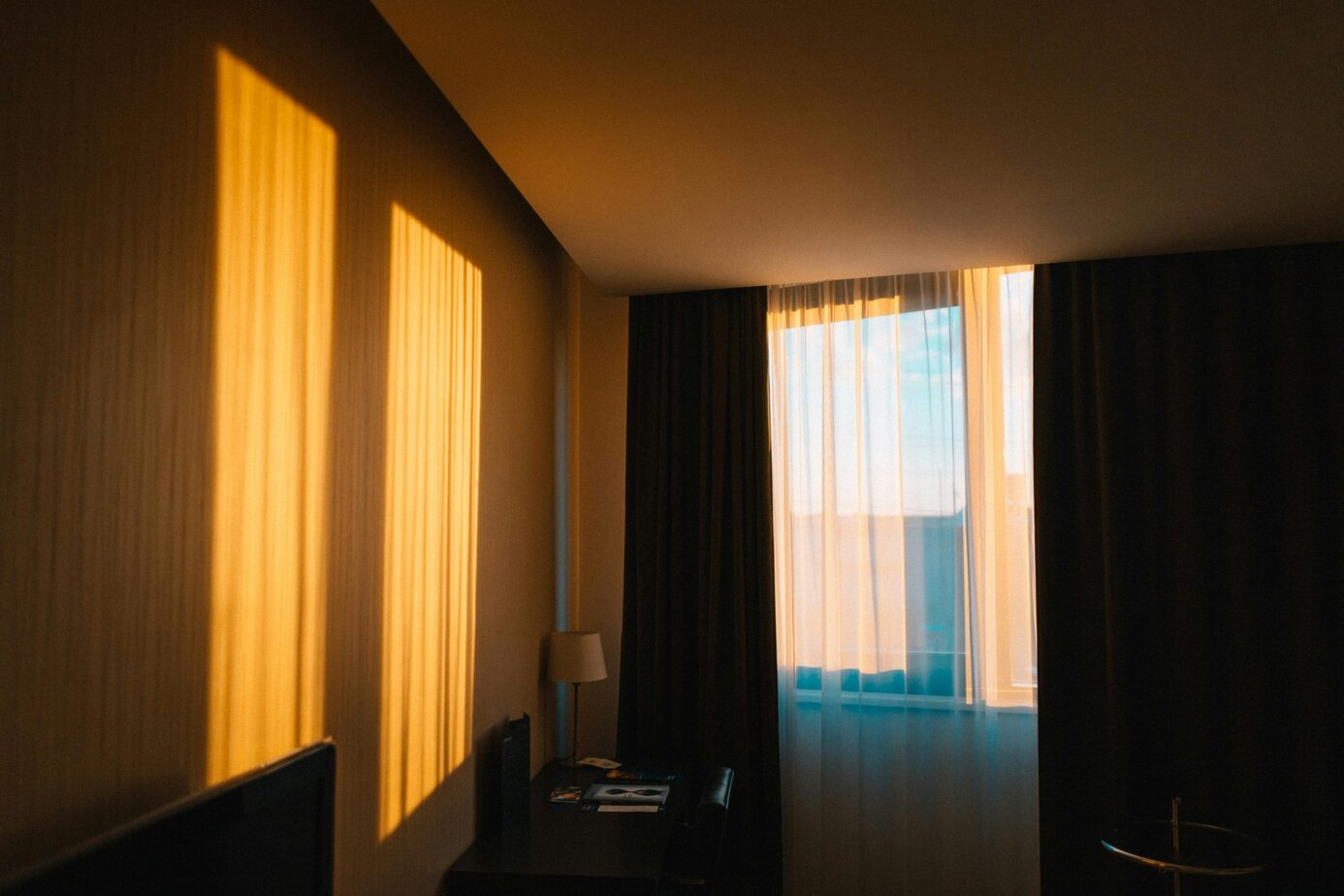
Sunlight is relentless. Over time, it causes fade, weakens fiber structure, and can lead to uneven color shifts.
Look for fabrics like solution-dyed polyester that are designed to resist UV damage. That added protection can significantly extend durability.
Stain resistance is equally important. Guests brushing against panels, accidental spills, and daily handling are unavoidable in high-traffic areas. A durable fabric with protective finishes helps reduce permanent stain marks and simplifies maintenance.
Blackout functionality is another essential factor in hotel guestrooms. A quality blackout curtain blocks unwanted light and enhances sleep. Pairing blackout lining with a strong face fabric creates a layered system that improves both insulation and longevity.
Even lighter curtain options, such as sheer curtains layered behind heavier panels, should be selected with durability in mind.
Working with the Right Manufacturing Partner
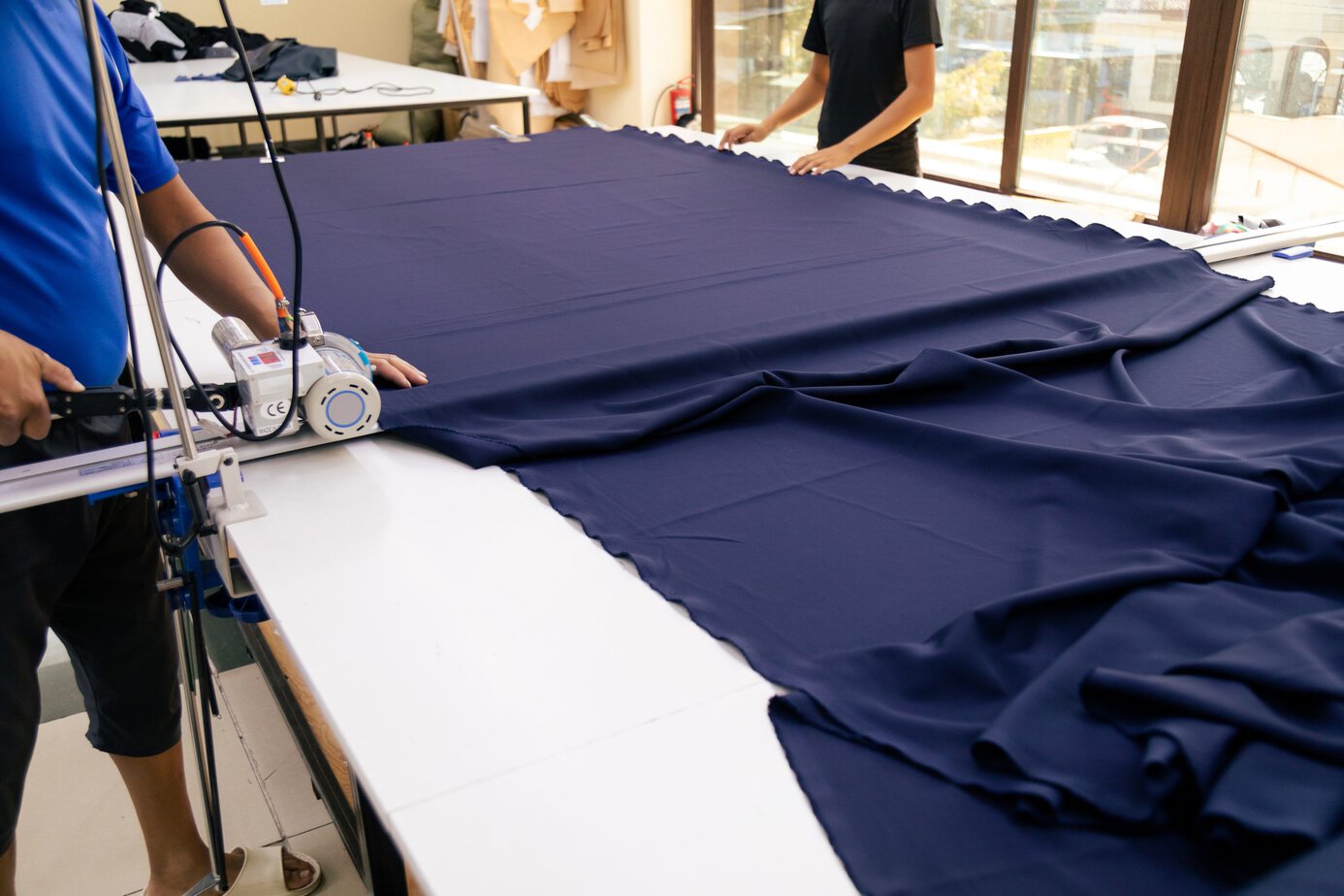
Even the best materials can underperform if they’re poorly measured or improperly installed.
That’s where experience makes all the difference.
Drapery Manufacturing Inc. (DMI) has been serving the hospitality, multi-housing, and commercial industries since 1975 as a national wholesale producer of custom draperies, bedding, and window treatments. Based in Oklahoma City, DMI offers turnkey services that include professional field measuring, manufacturing, installation, and COM labor.
Their capabilities extend beyond standard drapery to roman shades, valances, cubicle curtains, and commercial hardware. With nationwide service and decades of expertise, they understand what durable drapery fabrics actually need to withstand in real-world hospitality environments.
Partnering with specialists helps ensure the right fabric is specified, fabricated, and installed the first time correctly.
Invest in Drapery That’s Designed to Last
In hospitality, every detail is working overtime—including your window treatments.
Choosing the right fabric means balancing aesthetics with performance. Polyester for resilience. Linen blends for natural texture. Velvet for dramatic elegance. Each option has its place, but durability should always guide the decision.
If you’re ready to find the best materials for your next project, connect with Drapery Manufacturing Inc. at https://dmiok.com/ or call (405) 745-2931 to discuss custom drapery solutions built for long-term performance.