A hotel room can feel completely different depending on what covers its windows. The curtain may seem like a finishing detail. Still, the fabric behind it can surprisingly influence comfort, privacy, light control, appearance, and even how polished the room feels.
One of the most important considerations is fabric weight. A lightweight fabric can create an airy, relaxed atmosphere, while heavier fabric can give a room a more substantial and luxurious appearance. The difference is noticeable the moment the curtain is opened, closed, or allowed to fall naturally into place.
For hospitality designers, selecting the right drapery weight isn’t simply about choosing a fabric that looks attractive in a sample book. The fabric needs to work with the room, the window, the hardware, the desired level of blackout, and the demands of daily hotel use.
How Fabric Weight Shapes the Hotel Room Experience
Fabric weight affects much more than how a curtain feels in your hand. It influences how the fabric hangs, how it folds, how much light passes through it, and how substantial the finished window treatment looks.
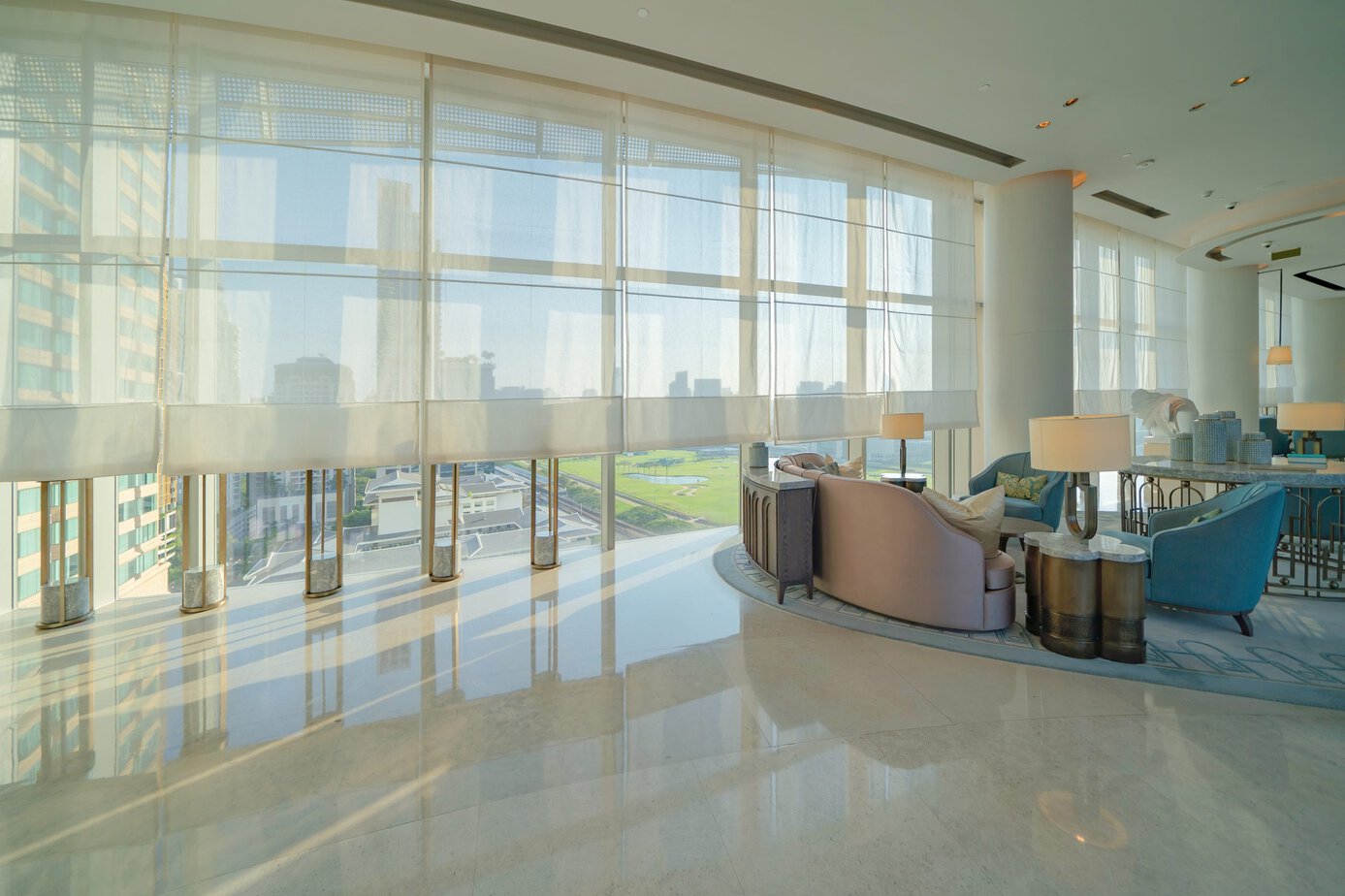
A lightweight curtain can give a bedroom an airy feel and allow more natural light into the space during the daytime. Linen, voile, and lightweight sheers are common examples of materials that can create this softer visual effect. They can be particularly useful when the design calls for brightness rather than complete light blockage.
A heavier curtain creates a different impression. Heavy fabrics tend to form fuller folds and can make a large window feel more grounded. Velvet is a classic example. Its substantial texture can bring warmth and richness to a hotel interior, particularly in suites or upscale properties.
Fabric weight can also affect practicality. Hotel curtains are opened and closed repeatedly, so the fabric, hardware, and installation method need to work together. The goal isn’t simply to select the heaviest fabric available. It’s to select a weight that makes sense for the room.
Understanding Fabric Weight and GSM
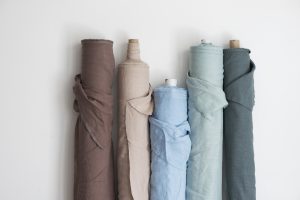
Fabric weight is commonly expressed in GSM, meaning grams per square meter. In simple terms, GSM indicates how much a square meter of fabric weighs. It gives designers a useful specification for comparing fabrics, although GSM alone doesn’t tell the entire story.
For example, a 120 GSM fabric will generally be considerably lighter than a 200 GSM fabric, while a 300 GSM fabric is substantially heavier. These figures can help categorize materials into broad weight categories, but construction, weave, fiber content, lining, and finishing can all change how a fabric actually performs.
That’s why fabric GSM shouldn’t be treated as a universal rule for choosing hotel curtains. Two fabrics with a similar GSM can behave differently when made into a full curtain.
The weave matters. So does the blend. Polyester, linen, cotton blends, velvet, and other materials can have different textures and handling characteristics even when their fabric weight appears similar.
A useful specification should therefore consider GSM alongside the intended use, dimensions, heading style, lining, and hardware.
Lightweight, Medium Weight, and Heavyweight Drapery Fabric
Lightweight fabric is often selected when designers want softness and movement. It hangs gracefully and makes a smaller room feel less visually crowded. Lightweight sheers can also work well as a decorative layer behind a more substantial curtain.
Medium weight fabric sits comfortably between appearance and functionality. A medium weight fabric can provide enough structure to drape neatly without creating excessive weight. For many hotel applications, medium weight drapery can be a practical starting point when the design requires versatility.
Heavier fabrics create a more pronounced presence. They tend to produce deeper folds and can make a curtain appear more luxurious. Heavyweight fabrics may also be appropriate when the room requires stronger privacy or additional light control.
That said, heavier isn’t automatically better.
Adding extra weight can increase the demands placed on the rod, bracket, track, and other hardware. If the system isn’t designed to handle the weight, the curtain may become difficult to operate, hardware may experience unnecessary stress, and the finished installation may not perform as intended.
How Drapery Weight Affects Light Control and Blackout Performance
Light control is one of the biggest reasons fabric weight matters in hotel rooms.
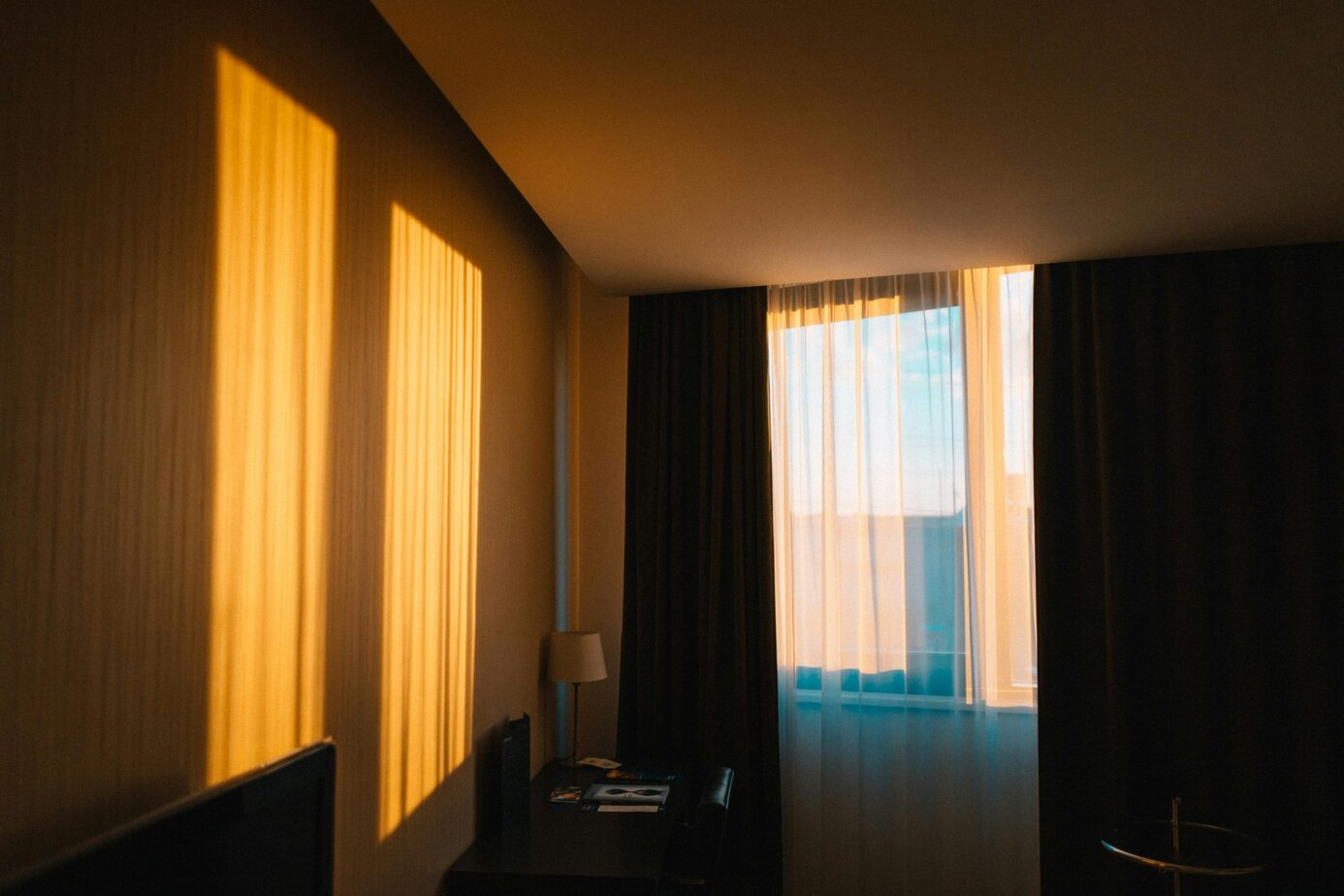
A lightweight curtain generally allows more light through. That’s useful when a designer wants a bright interior, but it may not provide sufficient darkness for guests who need to sleep during the day.
For rooms facing bright streets, sunrise exposure, or large windows, a heavier curtain or blackout curtain can offer better light control. Blackout fabrics and blackout lining can be combined with decorative fabric to create a more effective window treatment.
Still, fabric weight alone doesn’t determine blackout performance. Fiber construction, color, density, lining, and the way the curtain is installed all matter.
A well-designed blackout curtain should also minimize gaps around the window. Even a substantial fabric can allow unwanted light into a room if the curtain doesn’t cover the opening properly.
This is particularly important in hospitality. Guests may not know why a room feels uncomfortable, but excessive morning light can certainly influence their experience.
The Relationship Between Fabric Weight, Drape, and Appearance
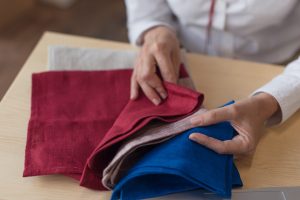
The word “drape” describes how fabric falls and behaves when suspended. Fabric weight has a major influence on that behavior.
A lighter material can create a softer, more fluid appearance. It may move more easily with airflow and produce relaxed folds. A heavier material tends to create a more structured appearance, with fuller and often more consistent folds.
The choice can change the character of the entire room.
A luxury suite might benefit from velvet panels or another heavier fabric that frames large windows with a dramatic presence. A contemporary boutique hotel may instead use linen or a linen blend to create a quieter, more natural aesthetic.
The heading style matters too. Different heading styles distribute fabric differently across the curtain and can influence the final appearance. The amount of fullness should also be considered because additional fabric increases the overall drapery weight.
Good design is about balance. The fabric should hang beautifully without overwhelming the window or creating an unnecessarily cumbersome installation.
Fabric Weight, Hardware, and Installation Requirements
Once the fabric weight increases, the supporting system becomes increasingly important.
A lightweight curtain may be relatively simple to install, while heavier fabrics require hardware capable of supporting the finished panel. The rod, track, bracket, carriers, and mounting points all need to work together.
This is especially important for hotel projects with large windows. A curtain that looks perfect in a small sample may behave very differently when scaled across a wide opening.
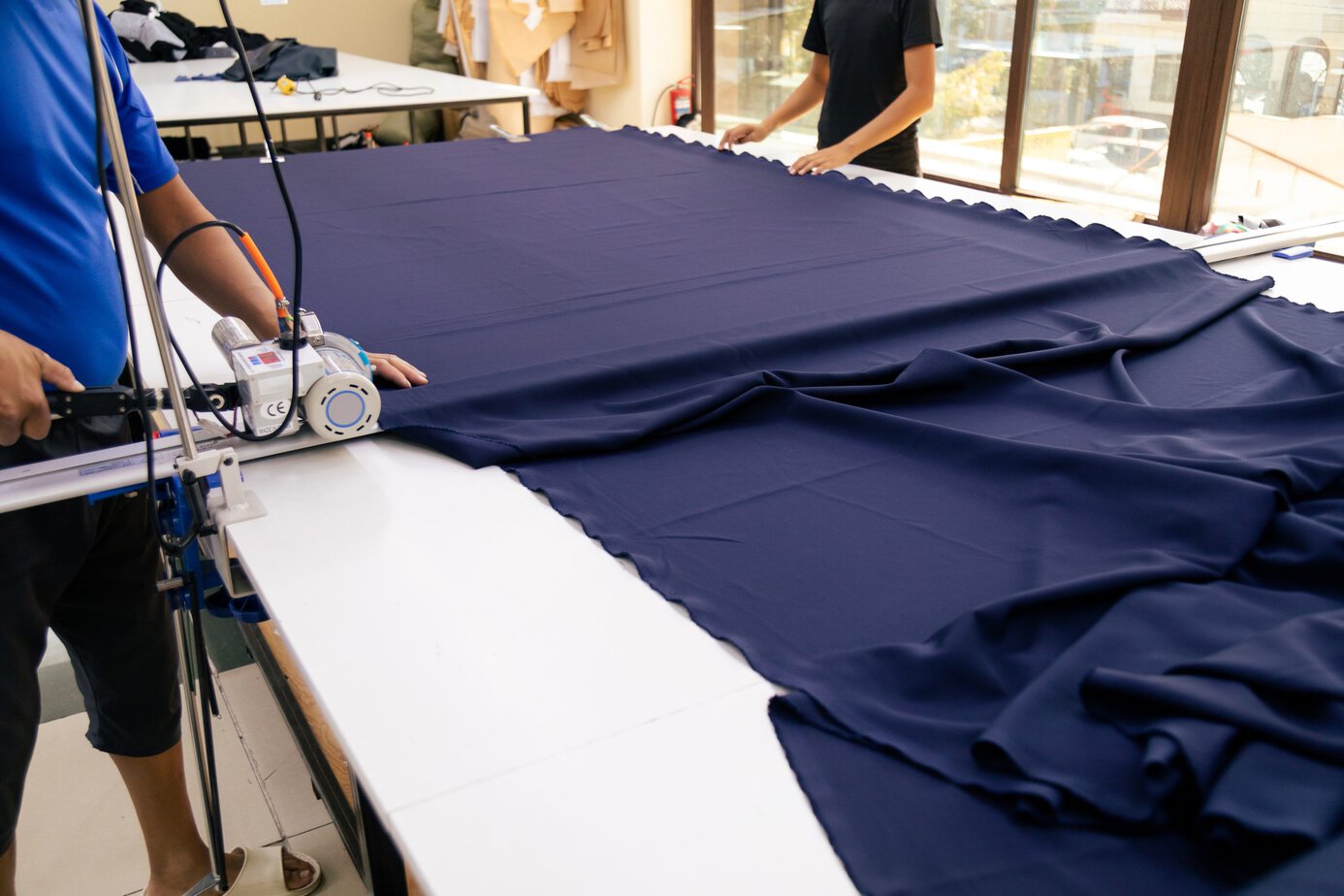
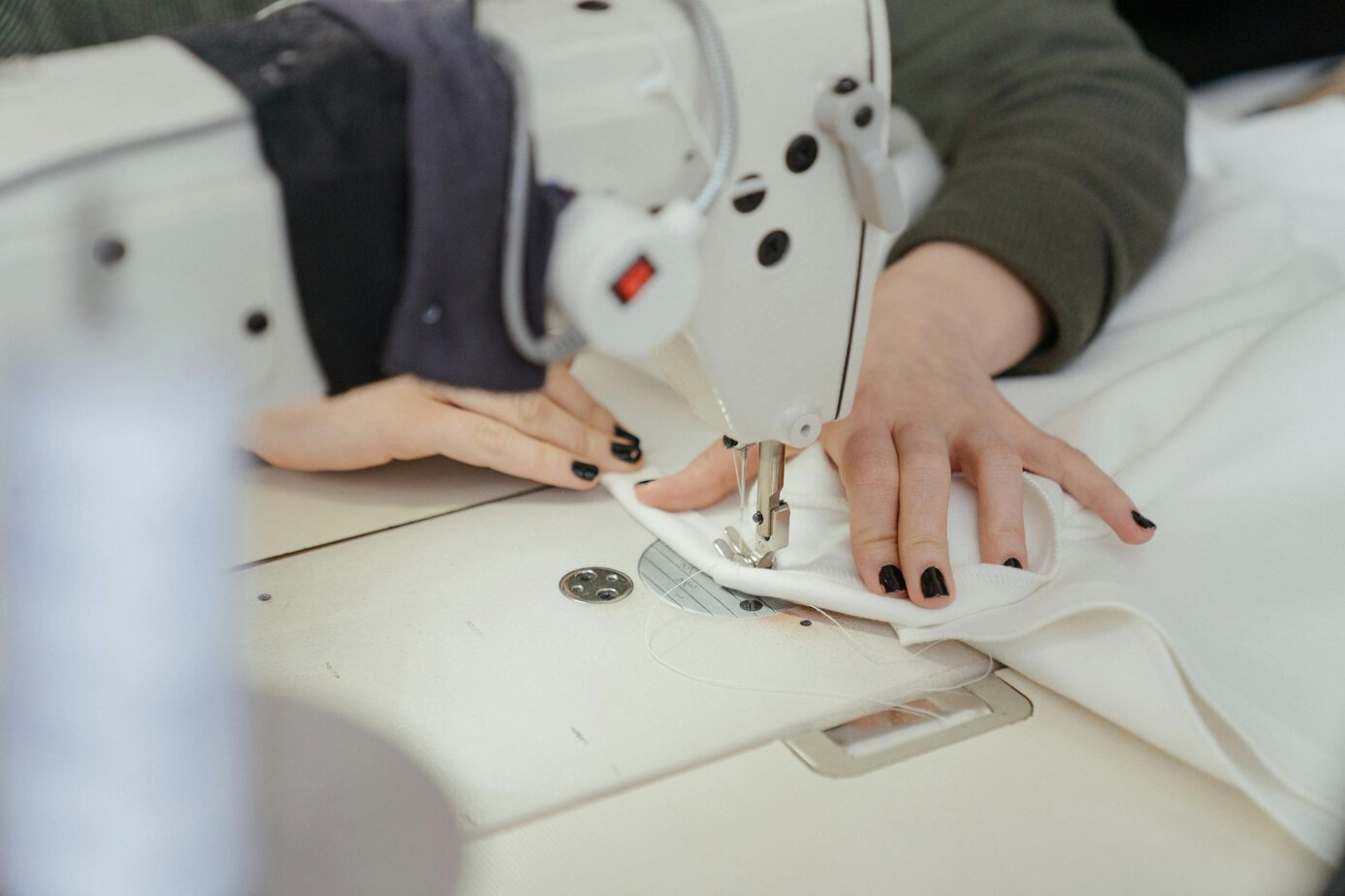
DMI’s hospitality services include field measuring, manufacturing, and installation, which can help ensure that the finished drapery system is considered as a complete installation rather than simply a piece of fabric attached to a window.
Proper measurement is particularly valuable when dealing with heavier fabrics. The installation needs to account for the actual dimensions and the way the panels will hang and operate.
Choosing the Right Drapery Fabric for Different Hotel Rooms
The best fabric depends heavily on the room’s purpose.
For a bedroom, privacy and light control are usually priorities. A medium-weight curtain paired with an appropriate lining may provide a practical combination of appearance and function. Where strong blackout performance is required, a blackout curtain can be incorporated into the design.
Public spaces such as lounges and suites may place greater emphasis on appearance. Heavier fabrics, velvet, or decorative materials can create a more pronounced visual statement.
For rooms with large windows, designers should also consider how much fabric will be required and whether the supporting hardware can handle the weight. A very heavy curtain may look impressive, but lighter fabrics can sometimes provide a cleaner solution while still meeting the project’s functional requirements.
The surrounding interior matters as well. A room filled with substantial furniture and dark finishes may benefit from lighter fabrics, while a minimalist space may gain warmth from a richer curtain.
There is no single best fabric for every hotel room. The right choice comes from matching the fabric to the room’s lighting, use, design direction, and operational needs.
Balancing Durability, Comfort, and Design
Hotel drapery has to do more than look good on opening day. It needs to withstand repeated handling, cleaning requirements, sunlight, and the everyday demands of hospitality environments.
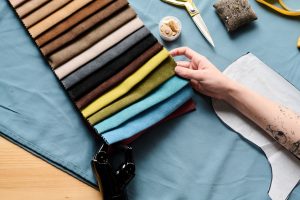
Fabric weight can contribute to the perception of quality, but durability depends on much more than weight. Fiber composition, weave, construction, finishing, installation, and maintenance all play a role.
Linen can provide a distinctive natural texture, while polyester can offer practical performance characteristics. Blended materials can combine different qualities into one fabric. The choice should reflect the property’s operational requirements rather than following a trend simply because it looks attractive.
The same principle applies to heavier fabrics. A heavyweight curtain can deliver a luxurious appearance, but it needs a system designed to handle the weight and a maintenance plan appropriate for the material.
When the right fabric is paired with the right construction and installation, hotel window treatments can last for years while maintaining a polished appearance.
Choosing the Right Partner for Hotel Drapery
Hotel drapery projects involve many moving parts. Fabric selection is only one piece of the puzzle. Measurements, manufacturing, hardware, installation, room design, and functional requirements all need to align.
Drapery Manufacturing Inc. has specialized in custom draperies since 1975 and provides hospitality clients with turnkey services that include field measuring, manufacturing, and installation. The company works with designers and decorators on customized hospitality curtain solutions and offers a range of fabrics and commercial hardware.
DMI also maintains a portfolio of hospitality projects across the United States, including hotel properties and resort projects.
If you’re planning a hotel renovation, new construction project, or room refresh, choosing the right drapery weight should be part of the design conversation from the beginning. The right fabric can influence everything from the way a curtain hangs to how comfortably a guest sleeps. For custom hotel drapery and hospitality window treatments, contact Drapery Manufacturing Inc. at (405) 745 2931 or visit dmiok.com to discuss your project and request a quote.