When planning a window treatment project, one of the most important decisions is whether to purchase directly from a manufacturer or work through a retailer. The debate of manufacturer vs custom retail solutions affects everything from design flexibility and fabric selection to installation quality and long-term value.
Whether furnishing a luxury residence, hospitality property, multi-housing development, or commercial space, choosing the right source for your custom drapery can dramatically influence the final result. While retailers offer convenience and quick access to products, manufacturers often provide deeper expertise, greater customization, and a higher level of project control.
This guide explores the key differences between manufacturers and retailers, helping property owners, designers, and procurement professionals determine which option delivers the best outcome for their unique drapery needs.

Understanding the Difference Between a Manufacturer and a Retailer
Before comparing options, it is important to understand how each business model operates.
A retailer typically sells finished products sourced from third-party suppliers. These products may include store-bought curtains, blinds, shades, and ready-made drapery collections. Many large chains and home furnishing stores, including IKEA, focus on standardized sizes and limited customization.
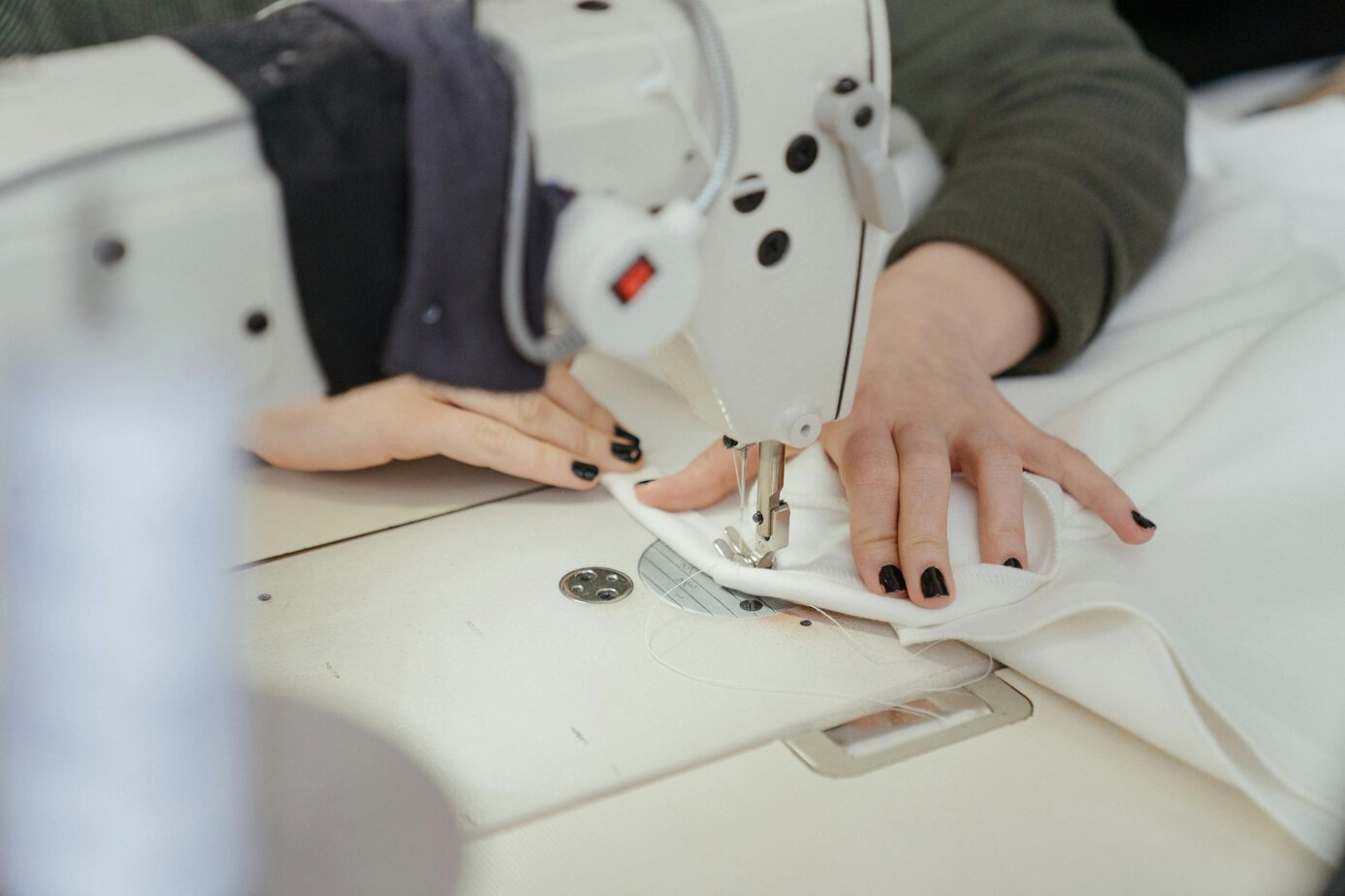
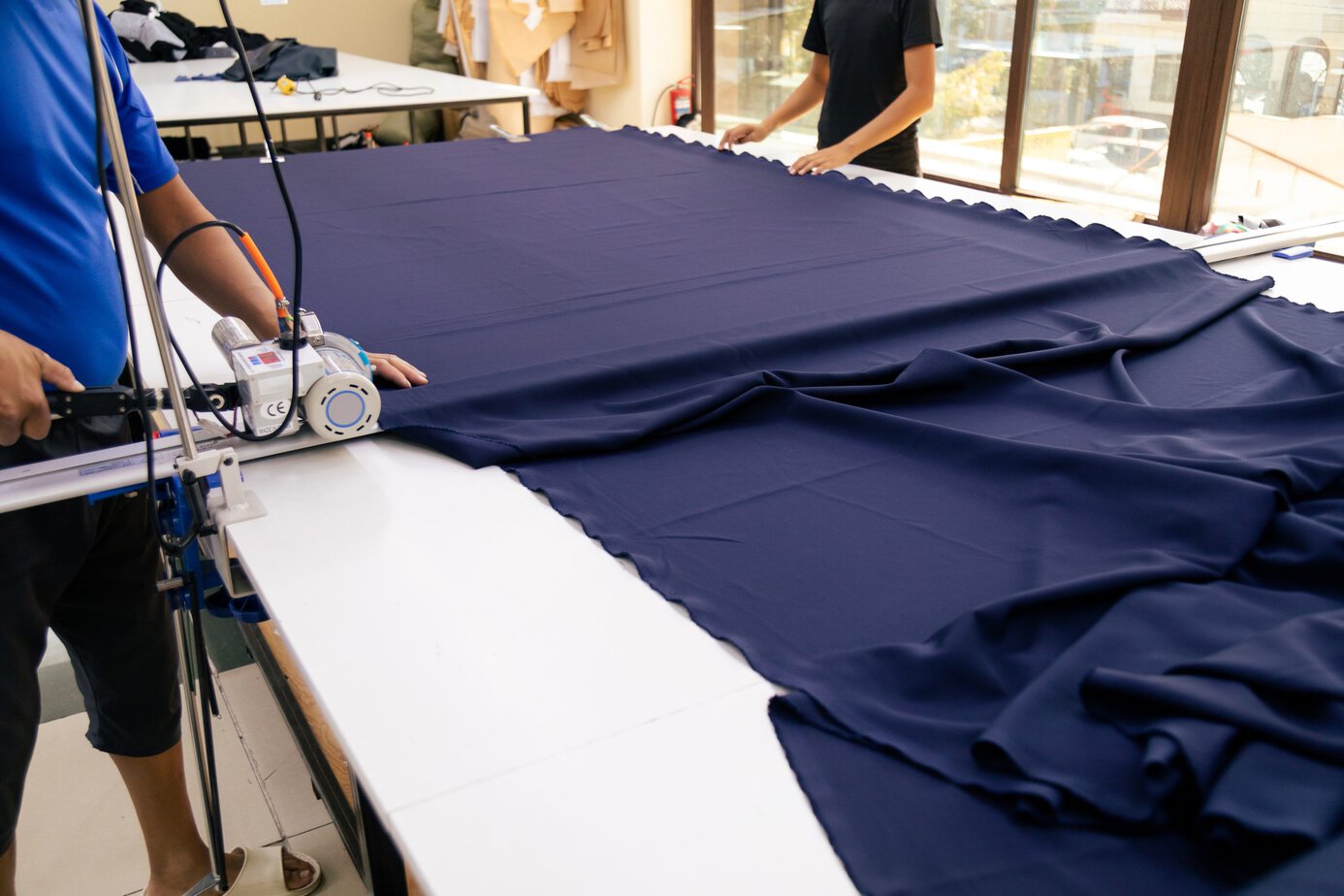
A manufacturer, on the other hand, produces the drapery itself. This means the company controls the fabrication process, from fabric selection and cutting to sewing, finishing, and quality inspection. A manufacturer can often create a fully custom made solution tailored to the exact requirements of a room.
When evaluating drapery vs retail purchasing, the primary distinction comes down to flexibility. Retailers sell what is available. Manufacturers create what is needed.
Why Fit and Customization Matter in Drapery Projects
One of the most compelling advantages of custom drapery is achieving a truly perfect fit.
Windows rarely conform to standard dimensions. Architectural features, ceiling heights, and unique layouts often require precise measurement and fabrication. A standard panel purchased from a retailer may fit adequately, but it seldom achieves the tailored appearance associated with premium interiors.
Manufacturers can customize:
- Panel length
- Panel width
- Pleat style
- Header construction
- Lining options
- Decorative trim
- Specialized mounting requirements
The difference becomes particularly evident in large commercial spaces or upscale residential projects where every panel must align perfectly.
A properly measured and fabricated drape creates visual balance while enhancing the overall aesthetic of the room. The right fullness, hem, and pleat configuration can transform an ordinary window into a focal point.

Fabric Selection and Design Flexibility
The range of available fabric choices is another major differentiator.
Retail stores often limit customers to a predefined catalog. While convenient, these options may not satisfy specific design objectives. A designer seeking a unique pattern, performance textile, or hospitality-grade material may find retail selections restrictive.
Manufacturers generally offer a broader assortment of fabric categories, including:
- Linen
- Performance blends
- Decorative woven textiles
- Acoustic materials
- Hospitality-grade fabrics
- Commercial fire-rated fabrics
- Velvets
- Specialty blackout materials
Many manufacturers also support COM (Customer’s Own Material) programs, allowing clients to specify virtually any approved fabric.
For example, Roman shades, custom Roman treatments, and decorative drapery panels can all be fabricated using client-selected materials. This level of flexibility allows designers to coordinate every panel, curtain, and accessory with the broader design vision.
Companies such as Drapery Manufacturing Inc. (DMI) specialize in these customized solutions, offering extensive fabrication capabilities, COM labor services, and tailored window treatment programs for hospitality, multi-housing, commercial, and residential applications. DMI has been serving designers since 1975 and provides nationwide support through measuring, manufacturing, and installation services.
Quality Control, Craftsmanship, and Longevity
Quality often separates exceptional drapery from products that require replacement after only a few years.
Manufacturers oversee each stage of production, enabling tighter quality control. This process includes monitoring every seam, inspecting lining, evaluating pleat consistency, and ensuring accurate dimensions.
Retail products are frequently mass-produced to meet broad market demand. While many are functional, they may not deliver the same level of precision or durability.
Superior craftsmanship contributes to:
- Better light control
- Improved privacy
- Enhanced insulation
- Reduced likelihood of premature fade
- Stronger stitching
- Greater structural integrity
A well-constructed curtain or drape can maintain its appearance for many years, making longevity a significant factor when comparing alternatives.
Premium options such as pinch pleats, grommet tops, and interlined treatments often require manufacturing expertise that exceeds the capabilities of typical retail suppliers

Pricing Considerations: Cost vs. Value
Many consumers initially assume that retail products offer the lowest cost. In some cases, that is true.
A ready-made panel or store bought drapery product may carry a lower upfront price point than a fully customized solution. However, evaluating cost alone can be misleading.
The true comparison should focus on value.
Factors influencing long-term value include:
- Durability
- Material quality
- Installation accuracy
- Maintenance requirements
- Replacement frequency
- Energy efficiency
A retail curtain may need replacement sooner due to poor fit, inferior fabric, or inadequate lining. By contrast, a professionally fabricated custom drapery system is often engineered for years of reliable performance.
For large-scale hospitality or commercial projects, many decision-makers choose to invest in manufacturer-produced solutions because the lifecycle cost can be more favorable over time.
Project Management, Consultation, and Installation Services
Another area where manufacturers frequently excel is service.
Many retailers focus primarily on product sales. Manufacturers often provide a broader suite of solutions that streamline the entire project.
These services may include:
- Initial consultation
- Professional in-home evaluations
- Site visits
- Field measuring
- Fabric sourcing
- Engineering support
- Product fabrication
- Delivery
- Professional installation
DMI, for example, offers turnkey services that include professional field measuring, manufacturing, and installation nationwide. Their experience spans hospitality, multi-housing, commercial, and custom projects, helping clients simplify complex procurement and execution processes.
This integrated approach often reduces errors and creates a more predictable outcome.
When a Retailer May Be the Right Choice
Despite the advantages of manufacturing, retailers still serve an important role.
A retailer may be appropriate when:
- Budget is the primary concern.
- Standard window dimensions are involved.
- The project timeline is extremely short.
- Temporary solutions are acceptable.
- Design requirements are relatively simple.
For a small apartment, guest room, or starter home, a ready-made panel from IKEA or a similar retailer may satisfy immediate needs.
Retailers also offer convenience for consumers seeking straightforward products such as a blind, roman blinds, shutter, or simple curtain package.
In these situations, the benefits of customization may not justify the additional investment.

Why Manufacturers Often Deliver Better Results for Complex Projects
As project complexity increases, manufacturer advantages become more pronounced.
Hospitality environments, luxury residences, healthcare facilities, and multi-housing developments often require:
- Specialized hardware
- Commercial-grade fabric
- Large-volume production
- Consistent panel specifications
- Enhanced blackout performance
- Coordinated hardware options
- Precise scheduling
Manufacturers can also fabricate unique solutions such as custom drapes, custom curtains, roman shades, custom window treatments, cubicle curtains, valances, and specialty systems.
The ability to coordinate every detail—from rod selection and professional hardware to lining, trim, and installation—helps create a cohesive and polished environment.
For designers pursuing a luxurious result, custom fabrication provides far more control over pattern, contrast, texture, and scale. Whether the goal is a sleek contemporary living room, a refined family room, or a sophisticated hospitality suite, the customization process ensures every element supports the intended design narrative.
This is where the comparison of vs custom solutions becomes clear. A manufacturer can customize virtually every aspect of the product, while retail alternatives generally offer limited modification.
Partner With Experts for Your Next Custom Drapery Project
Choosing between a retailer and a manufacturer ultimately depends on your objectives, budget, and performance requirements. While retail products can be suitable for simple applications, manufacturer-produced custom drapery typically delivers superior fit, broader fabric choices, enhanced craftsmanship, greater durability, and more comprehensive project support.
For residential, hospitality, multi-housing, and commercial projects where quality matters, working directly with an experienced manufacturer often provides the best overall value.
Drapery Manufacturing Inc. (DMI) has been helping designers, decorators, and project teams bring their visions to life since 1975 through professional measuring, manufacturing, COM labor, and installation services. Their expertise in custom drapery services, shades, bedding, commercial hardware, cubicle curtains, and specialty window treatments makes them a trusted national resource for projects of virtually any scale.
To discuss your next project, visit Drapery Manufacturing Inc. or call (405) 745-2931 to schedule a consultation and discover how expertly crafted drapery can elevate your space.